If you're a founder, you're juggling a million things. You're dreaming big, innovating faster than a cheetah on espresso, and probably also trying to figure out if you can live on instant noodles for another week. Amidst all that glorious chaos, someone whispers (or shouts, thanks Twitter) "sustainable packaging!" And what's the first thought that pops into your head?
"Great. Another thing to worry about. And probably another massive expense I can't afford right now."
Sound familiar? You're not alone. This is the "Eco-Packaging Paradox" in a nutshell: we all know sustainability is crucial, consumers want it, and it's good for the planet. But for a budding business, it often feels like an exclusive club with a velvet rope and a bouncer named "Exorbitant Costs."
But what if I told you that notion is, well, a little outdated? What if I told you that not only can sustainable packaging be budget-friendly, but it can actually become one of your most powerful sales tools? Stick around, because we're about to untangle this glorious mess, bust some myths, and show you how to embrace eco-conscious design without sacrificing your bottom line. We're Miracle Studio, and we live for this kind of creative challenge.
The Green Dilemma: Why 'Eco' Feels Like an Exclusivity Club for Startups
Let's poke at the problem a bit. Why does "sustainable packaging" conjure images of artisanal, handcrafted, small-batch luxury items with price tags that make your eyes water? It's a perception problem, fueled by a few key factors that hit startups particularly hard:
The Early Adopter Premium: Historically, eco-friendly materials were niche. Lower production volumes meant higher per-unit costs, often putting them out of reach for startups needing to scale. It was the price of being ahead of the curve, a luxury many couldn't afford.
Greenwashing Gone Wild & The Trust Deficit: Remember when "natural" meant anything? Now, "eco-friendly" is the new wild west, filled with vague claims and misleading labels. Companies slapped superficial green claims on things, and consumers (rightly) became skeptical. This pushed genuine brands to invest heavily in verifiable sustainability, often involving complex certifications and costly research, which then drove up perceived prices for all eco-options.
The DIY Disaster Zone: Many founders, in an admirable effort to save money, try to figure out sustainable packaging themselves. They spend countless hours researching materials, only to find minimum order quantities are through the roof for greener alternatives, or that navigating the maze of certifications (like FSC for paper or BPI for compostable plastics) is a bureaucratic nightmare. The hidden costs of time, costly mistakes, rejected batches, and missed market opportunities quickly add up, making the "DIY" route anything but cheap.
You’re left scrolling through endless options-compostable vs. biodegradable, recycled content vs. virgin materials, ocean-bound plastic vs. plant-based polymers-and it's enough to make you want to just wrap your product in plain brown paper and call it a day. (Which, ironically, might be a surprisingly effective and simple start!). The sheer volume of information, often contradictory, can be paralyzing, especially when every dollar and every decision feels monumental for your nascent brand.
Agitation Station: Navigating the Murky Waters of 'Green' - The Real Traps
So, you're determined to do right by the planet and your customers. Awesome! But then you hit the reality wall, realizing that "eco-friendly" isn't a single, simple path:
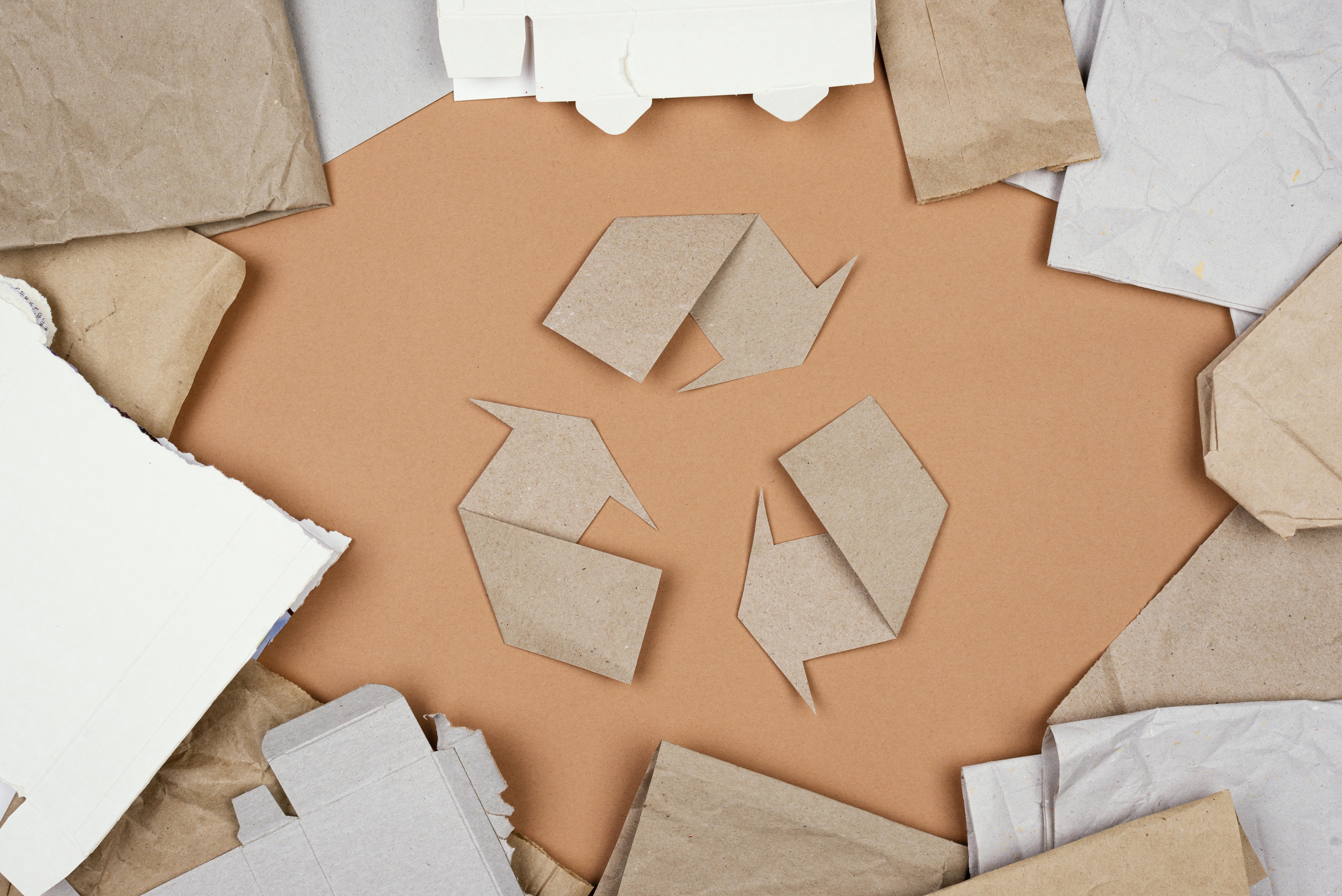
Is Recycled Actually Recycled? And What About the Recyclability of My Package? Just because a box says "recycled content" doesn't automatically mean it's 100% post-consumer waste-sometimes it’s industrial scrap, which is good, but not quite the same powerful story you want to tell your conscious customers. Even more complex is the question of recyclability after use. Can your local recycling facility, or more importantly, your customer's local recycling facility, actually handle your chosen material? A package designed to be "technically recyclable" but rejected at the curb is just another piece of trash. It's a puzzle with many interconnected pieces, from material composition to local infrastructure.
Compostable vs. Biodegradable - A World of Difference (and Potential Misleading Claims): This one trips up so many. Biodegradable just means it breaks down eventually-eventually can mean hundreds of years in a landfill without oxygen, which isn't very 'eco'. Compostable means it breaks down into nutrient-rich soil under specific conditions, usually industrial composting facilities with precise heat and moisture levels. If your packaging needs an industrial facility to compost, but your customers only have access to home composting or regular trash, then its "compostable" claim is... well, it’s complicated, and potentially misleading if not communicated clearly. This is where understanding your audience's infrastructure and educating them is absolutely key.
The Cost Conundrum Beyond Materials: It's not just the per-unit material cost. Think about logistics, increased shipping weight (some eco-materials are heavier), printing compatibility, and even how the sustainable choice affects your product's shelf life or protection. A cheaper, eco-friendly alternative might seem great until your product arrives damaged, costing you more in returns, customer dissatisfaction, and a tarnished reputation. Or worse, you go for a "premium" eco material that drives your unit cost sky-high, forcing you to raise prices or slash margins to unsustainable levels. Finding that sweet spot where sustainability, cost-effectiveness, and product integrity align? It's a delicate, high-stakes dance for any startup.
Navigating the Certification Labyrinth: FSC, BPI, Cradle to Cradle, USDA Certified Biobased-the list goes on. Each certification has its own requirements, costs, and benefits. Trying to understand which ones are truly relevant and valuable for your specific product and market, and then achieving them, can feel like getting a degree in environmental science. The wrong certification, or none at all when one is expected, can undermine your green claims.
This is where many startups get stuck. They want to be genuinely sustainable, but the path feels littered with jargon, hidden expenses, regulatory confusion, and the overwhelming fear of making the wrong, and costly, choice. The sheer complexity can paralyze even the most well-intentioned founders, pushing them back to cheaper, less sustainable options out of sheer exhaustion.
It's a lot to handle, right? That's where we, at Miracle Studio, come in. We thrive on this creative chaos and help founders find their brand's true north, especially when it comes to something as impactful and intricate as packaging. We’re not about just making things look pretty; we're about making them work-responsibly, efficiently, and brilliantly.
The Miracle Studio Solution: Eco-Packaging That Works Hard (and Smart) for Your Brand
Alright, enough with the head-scratching. Let's talk solutions. At Miracle Studio, we believe that sustainable packaging for startups isn't just possible; it's a strategic advantage waiting to be unlocked. We're a team of young bloods who love digging into these challenges, bringing a fresh perspective that cuts through the noise and delivers real, tangible results. We approach packaging design as a holistic ecosystem, not just a box or a wrapper, integrating sustainability from concept to shelf.
Myth Busted: Eco-Friendly Doesn't Mean Budget-Unfriendly (It Means Budget-Smarter)
The biggest myth we love to shatter is that sustainability is inherently expensive. Sure, some cutting-edge materials carry a premium, but true sustainable design is about smart choices, not just expensive ones. We focus on strategies that inherently save money in the long run:
Radical Reduction: The most sustainable package is often no package, or at least significantly less package. Can we eliminate unnecessary layers? Downsize the box without compromising protection? Design for lighter shipping weights? These steps aren't just eco-friendly; they directly save on material costs, manufacturing energy, and crucial shipping expenses. It's a triple-win for your wallet, your carbon footprint, and often, your brand's minimalist aesthetic.
Optimized & Localized Materials: Sometimes, recycled cardboard is the perfect, cost-effective choice. Other times, a virgin but rapidly renewable material (like bamboo or sugarcane pulp) makes more sense. We help you choose materials that perform for your product, align with your sustainable goals, and fit your budget. We also explore local sourcing to reduce transportation impacts and support regional economies. For example, did you know that thoughtful packaging design can drastically reduce material waste during the production process itself, often by optimizing die-cuts and layouts? It’s all about efficiency from day one.
Design for Longevity & Reusability: If your packaging can be repurposed, its value proposition skyrockets. Think about a beautifully designed tin that becomes a keepsake box, a sturdy glass jar that's refillable, or a fabric pouch that customers can reuse for something else. This not only extends the life of the material but also creates a deeper, more lasting connection with your brand, turning a disposable item into a cherished possession.
By focusing on these core principles, we help you find the sweet spot where sustainability meets affordability and innovation, challenging the notion that you have to break the bank to do good.
Boosting Sales and Brand Loyalty with Authentic Green Credentials
Beyond cost savings, sustainable packaging is a powerful, undeniable sales driver. Consumers are not just aware of environmental issues; they are actively prioritizing brands that align with their values. According to a NielsenIQ study, a significant portion of consumers are not only willing but expect brands to be sustainable, and many are willing to pay a premium for it. This isn't just a fleeting trend; it's a fundamental shift in consumer behavior.
Here’s how we help you leverage it, transforming your eco-efforts into undeniable market advantages:
Clear, Honest, and Engaging Communication: No greenwashing allowed! We help you tell your sustainable story authentically and compellingly. What materials did you choose? Why? What impact does it have, both environmentally and socially? Transparency builds trust and deepens brand loyalty. This often ties seamlessly into your broader branding strategy-consistency in message and design is absolutely key for credibility.
Enhanced Brand Perception & Premiumization: Sustainable packaging inherently signals quality, care, and forward-thinking. It elevates your brand beyond just the product inside, associating it with responsibility and innovation. Imagine your customer proudly displaying your eco-friendly packaging-it becomes a mini-advertisement and a statement piece in their home or office, signaling their values too.
Unique, Memorable Unboxing Experiences: Eco-friendly doesn't mean sacrificing beauty or excitement. We design unboxing experiences that are memorable, visually stunning, and align perfectly with your brand's ethos. This is where creativity truly shines, turning a simple package into an exciting reveal that delights customers and encourages social sharing, amplifying your message organically.
Simplified Regulatory Compliance & Future-Proofing: Environmental regulations are rapidly evolving globally. We stay on top of the latest requirements and emerging standards, ensuring your packaging meets current compliance and is designed with future-proofing in mind, helping you avoid costly re-designs or legal headaches down the line. We believe that good design services always begin with smart research and foresight.
Our Fresh Approach to Sustainable Packaging Design: Your Startup's Secret Weapon
At Miracle Studio, we don't just pick materials; we craft intelligent, impactful stories and experiences. Our process is collaborative, energetic, and laser-focused on your startup's unique needs, values, and, yes, your budget.
In-depth Discovery & Strategic Alignment: We start by deeply understanding your product, your target audience, your existing supply chain, and your financial parameters. What are your sustainable goals? Where can we make the biggest, most cost-effective impact? This early, rigorous stage is crucial for laying a strong, eco-conscious foundation that aligns with your business objectives.
Material Innovation, Sourcing & Vetting: We tap into our robust network of suppliers and our constantly updated knowledge of emerging eco-materials. We don't just suggest; we vet. We present you with viable, cost-effective options, explaining the pros, cons, and real-world implications of each-from recycled content to innovative bio-plastics or even cutting-edge mushroom-based alternatives. We guide you through the maze, simplifying complex choices.
Design for Impact, Efficiency & Circularity: Our designers are masters at creating packaging that's not only visually captivating but also structurally sound, minimizes material waste through smart engineering, and optimizes for shipping efficiency. We think about the entire lifecycle of the package: from raw material sourcing, through production and distribution, to consumer use, and finally, responsible end-of-life (recycling, composting, or reuse). Check out some of our successful, impact-driven projects in our packaging design portfolio.
Authentic Storytelling & Consumer Connection: How do we make your eco-efforts resonate and convert? We bake your sustainable story into the design itself, using clever graphics, informative yet engaging text, and compelling visuals that speak directly to your audience's values and intellect. We help you communicate why your choices matter, forging a deeper emotional connection with your customers.
For example, take Zomato's recent push for sustainable food delivery packaging in India. By introducing compostable containers and actively encouraging customers to opt-in, they not only significantly reduced waste but also strengthened their brand image as a responsible and forward-thinking company. This move resonated deeply with a growing segment of eco-conscious consumers, proving that thoughtful material choice combined with clear communication isn't just good for the planet; it's great for business.
Don't Just Go Green, Go Smart Green with Miracle Studio
The Eco-Packaging Paradox is real, but it's not a dead end. It's an exciting invitation to innovate, to be smarter, and to truly stand out in a crowded market. Your startup doesn't need to choose between planet and profit. With the right design partner, you can absolutely have both-sustainable practices that are also economically viable and sales-boosting.
At Miracle Studio, we're passionate about helping startups like yours navigate this exciting and impactful landscape. We bring the creative energy, the practical know-how, and the fresh, unpretentious perspective to turn your sustainable ambitions into stunning, effective, and budget-friendly packaging that consumers will genuinely love-and that will help your product not just sit on shelves, but literally fly off them.
Ready to turn your packaging into a powerful brand statement and a force for good? Let’s chat. We live and breathe this stuff, and we can't wait to help you craft packaging that truly tells your brand's unique story, responsibly and brilliantly.