Everything Business Leaders Must Know About Branding, Answered by an Experienced Senior Content Strategist
Branding is one of the most misunderstood disciplines in business today. After working with founders, marketers, and product teams to build strong identities, I have seen the same misunderstandings repeat again and again.
Some people equate branding with just a logo.
Some treat it as a tactical marketing activity.
Others see it only in ads or packaging.
This article exists to cut through the noise and answer the 101 questions that matter most — based on real experience and real commercial outcomes.
Section 1: Branding Fundamentals
What is branding?
Branding is the perception people form about your business based on every interaction they have with it.Is branding just a logo?
No. A logo is just one element of brand identity. Branding includes visuals, messaging, experience, and perception.Why is branding important for business growth?
Branding builds trust, helps differentiation, and makes it easier for customers to choose you.Can small businesses benefit from branding?
Yes. Strong branding even for startups creates recognition and competitive advantage.What is brand identity?
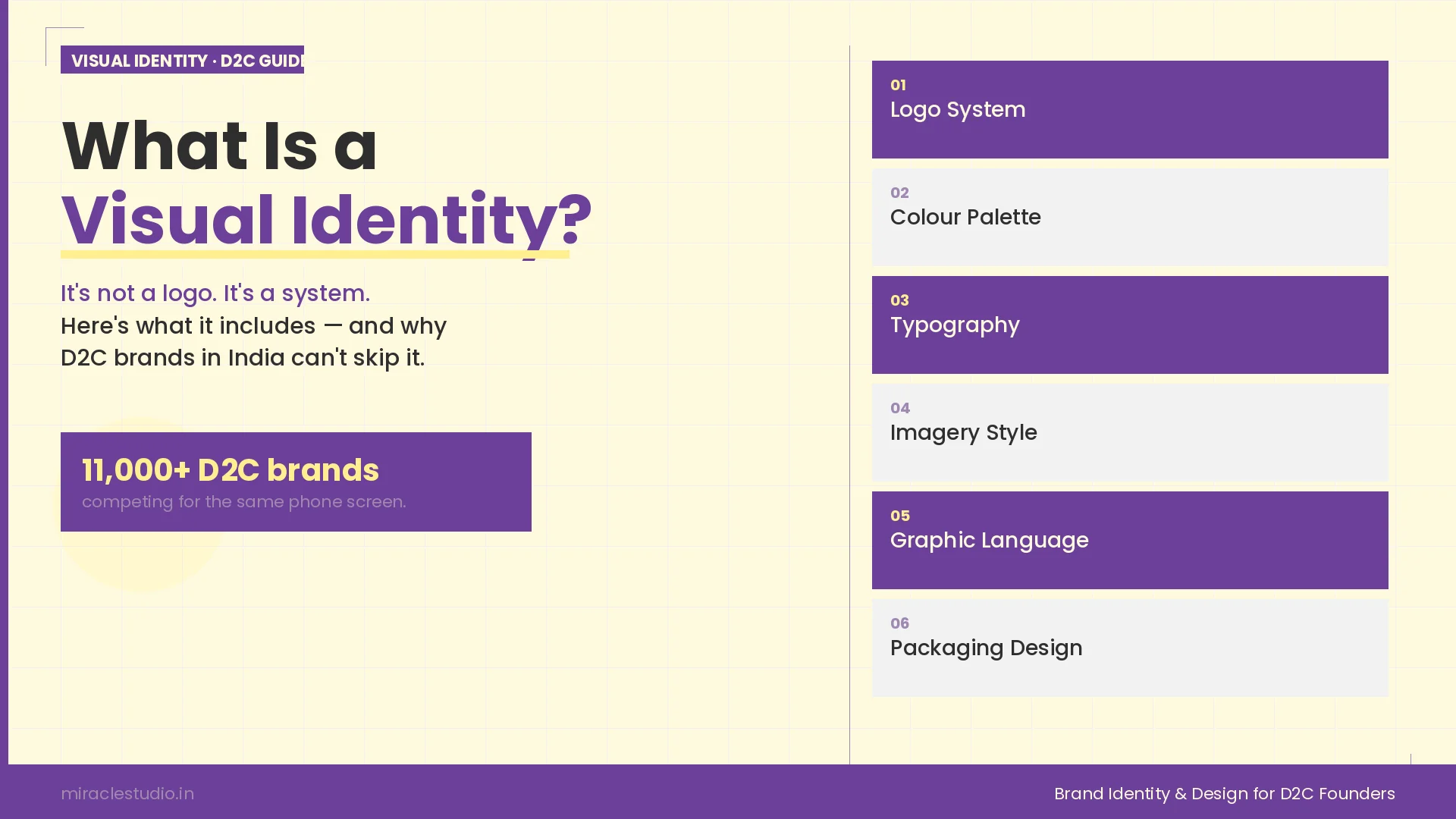
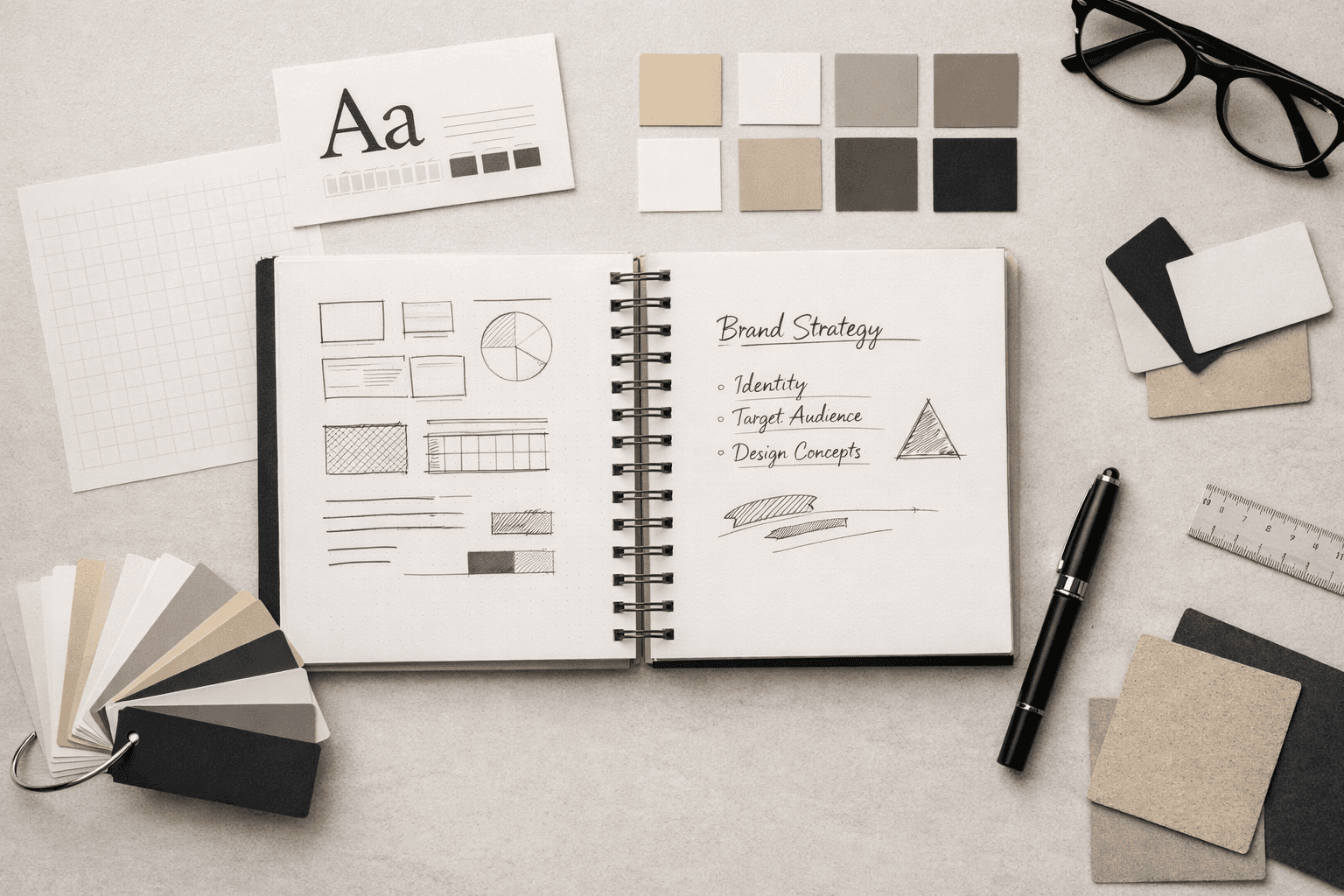
Your brand identity includes logo, colors, typography, messaging, and work across all touchpoints. See Brand Identity vs Brand Image for more depth. Brand Identity vs Brand Image ExplainedHow does packaging relate to branding?
Packaging is often the first physical interaction a customer has with your product, and it affects how the brand is perceived. For more on this, read How to Do Packaging Design (Step-by-Step Beginner Guide). How to Do Packaging Design (Step-by-Step)Can branding improve sales?
Yes. Consistency and clarity in branding increases trust, which improves conversions and lifetime customer value.What does a branding agency do?
They work on strategy, visual identity, messaging, positioning, and often design execution.Is branding measurable?
Indirectly — through recall, customer loyalty, repeat purchases, and pricing power.Where does logo design fit in branding?
Logo design is part of identity but not the whole brand strategy. For insights, see The Ugly Truth About Logo Design Services. The Ugly Truth About Logo Design Services
Section 2: Brand Strategy and Positioning
What is brand strategy?
It’s the long-term plan for how your brand will be perceived and engaged with.What is brand positioning?
The unique space your brand occupies in minds relative to competitors.Does storytelling matter in branding?
Absolutely. Storytelling shapes emotional connection and brand differentiation.Who should define the brand strategy?
Founders and leadership, supported by strategic designers.What are brand values?
Principles that guide decisions and behaviors of your brand.What is brand voice?
The consistent expression of your brand personality through language.Why can’t every brand appeal to everyone?
Brands that try to please everyone end up pleasing no one.Is branding important for pricing?
A strong brand can command higher prices because it holds perceived value.How does a brand build trust?
Through consistency, clarity, and delivering on promises.What is unique selling proposition (USP)?
A clear explanation of why customers should choose you over competitors.
Section 3: Brand Identity and Visual Systems
What is visual identity?
A system of design elements that reflect the brand’s personality.Why is brand consistency important?
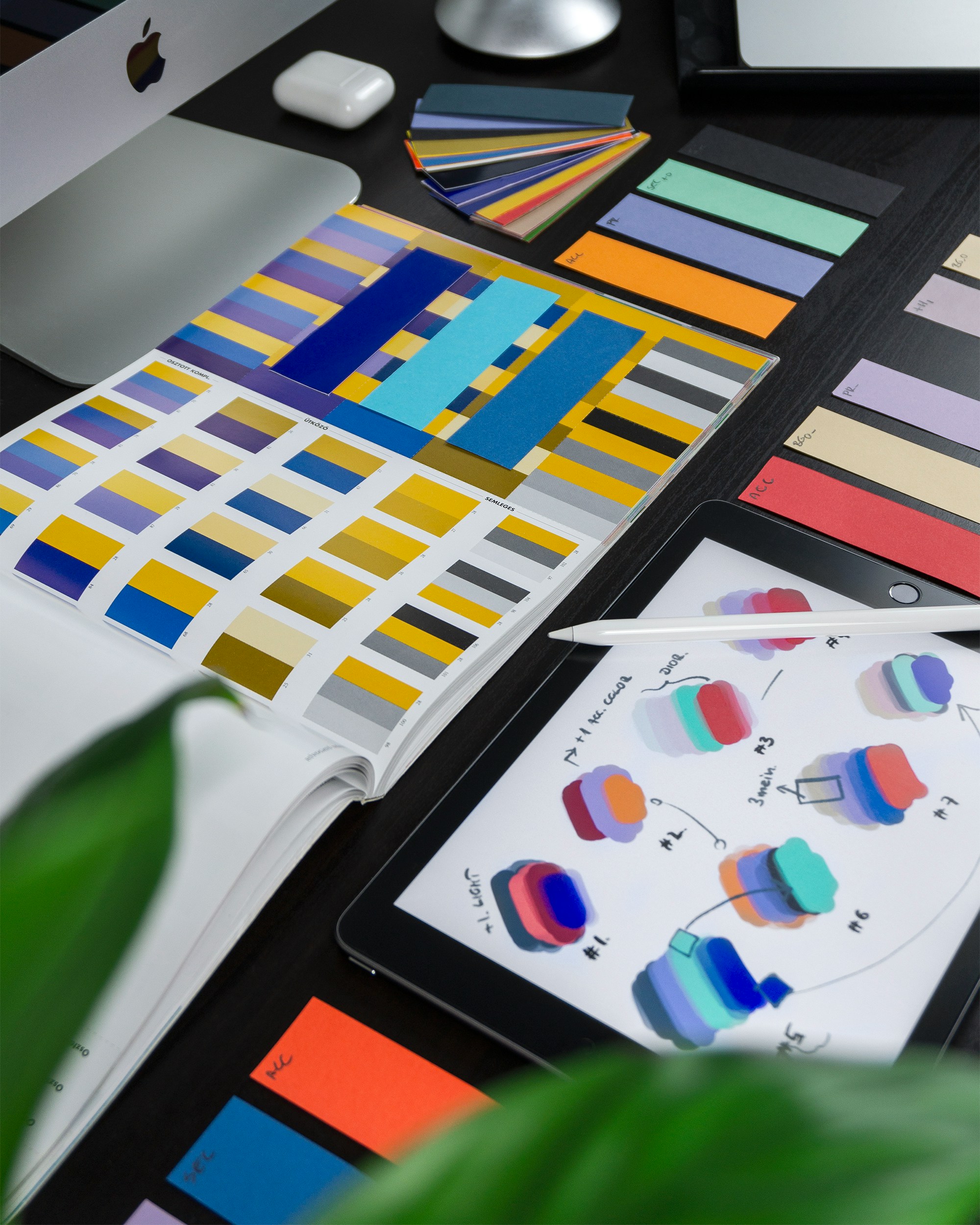
Consistency builds recognition. Without it, your brand feels chaotic.How do colors affect brand perception?
Colors trigger psychology and influence emotions.What is typography in branding?
Fonts shape tone and readability.What makes a strong logo?
Simplicity, relevance, scalability, and memorability.How does packaging reflect identity?
Packaging communicates brand values and differentiates your product. See How to Choose the Right Packaging Design. How to Choose the Right Packaging DesignWhat are brand guidelines and why do they matter?
They ensure identity remains consistent across environments.What are brand touchpoints?
Every place a customer interacts with your brand — from ads to customer service.Should visual identity adapt over time?
Yes, but changes should be strategic, not random.Are visual identity and branding the same thing?
No. Visual identity is part of branding, which is strategy plus perception.
Section 4: Branding for Startups and Small Businesses
When should a startup invest in branding?
Before scaling, not after confusion sets in.Can startups use branding templates?
Only as temporary placeholders, not long-term solutions.What should a startup brand focus on first?
Clarity of audience and positioning.How much should a small business spend on branding?
Invest enough to clarify identity — but not more than you can sustain.What is minimum viable branding?
The simplest set of identity components that communicates clearly.Can small branding wins outperform competitors?
Yes. Clarity and consistency beat noise.What mistakes do small brands commonly make?
Lack of strategy, inconsistent messaging, and unclear positioning.Should social media personalities align with brand identity?
Yes. Every public voice should reinforce your brand.How should branding support sales?
Branding shortens trust gaps, so sales cycles shorten.Is branding a one-off cost?
No. Branding evolves as your company grows.
Section 5: Branding Versus Marketing Versus Advertising
Is branding the same as marketing?
No. Branding sets the foundation, marketing activates it.Is advertising branding?
Advertising is a tactic that supports branding, but cannot replace it.Can marketing fix weak branding?
No. Marketing amplifies what’s already built.Should brand messaging be consistent across channels?
Yes — inconsistency damages credibility.Does branding affect conversion?
Quite directly. Better perceived trust means higher conversions.Can good branding reduce marketing costs?
Yes, over time.What’s a common mistake in marketing messaging?
Trying to be everything to everyone.Does branding need research?
Yes — research informs positioning.How do you test branding effectiveness?
Through customer feedback and behavior analysis.What is earned brand reach?
Organic visibility generated by value, not paid ads. See What Is Brand Amplification? What Is Brand Amplification and Why It Matters
Section 6: Digital Branding and Online Presence
What is online branding?
How your brand appears and behaves on digital platforms.Is a website part of branding?
For most audiences, your website is your brand.Does UX affect branding?
Poor experience destroys credibility instantly. See Fix Your Online Branding (Before It Ruins You). Fix Your Online Branding (Before It Ruins You)Is social media tone important?
Yes — it must align with brand voice.Does SEO relate to branding?
Yes — visibility supports trust and recall.Should brands always chase trends online?
Only if aligned with strategy.Is digital presence measurable?
Through engagement, traffic, and sentiment.Is content part of branding?
Yes — content communicates expertise and helps positioning.How do visuals support digital branding?
They shape first impressions before users read a word.Can poor digital branding harm credibility?
Yes — inconsistent digital presence signals unprofessionalism.
Section 7: Brand Evolution and Refresh
What is rebranding?
A substantive change in brand identity or positioning.What is a brand refresh?
Visual or tonal updates that keep core identity stable.When should a brand rethink identity?
When customer perception no longer aligns with strategy.Can rebranding fail?
Yes — if done without clear rationale.Is brand evolution necessary?
Often, as markets and products evolve.Should you rebrand after poor sales?
Only after diagnosing the real problem.Do brand changes confuse customers?
They can if messaging isn’t clear.What stays constant in a refresh?
Core values and purpose.Who should lead change decisions?
Strategy first, design second.How to communicate changes to customers?
With clarity, transparency, and timing.
Section 8: Common Branding Mistakes and Myths
Biggest myth in branding?
That design alone builds brands.Does branding guarantee success?
No — it increases odds.Is branding subjective?
Partially, but strategy is fact-based.Should brands appeal to everyone?
No — that dilutes clarity.Can branding fix a bad product?
No — branding works with quality.Why do many brands look alike?
Fear of standing out.Is minimalism always right?
Only if strategically appropriate.Can inconsistent visuals destroy recall?
Yes.Is design trend chasing effective?
No — strategy beats trends.Is messaging more important than visuals?
Both matter. Messaging drives emotion.
Section 9: ROI, Value, and Long-Term Brand Impact
Is branding worth the investment?
It compounds value over time.Does branding improve loyalty?
Yes — through emotional connections.How long until branding shows results?
Months to years, not days.What metrics matter?
Brand recall, repeat customers, referrals.Can branding help talent hiring?
A strong brand attracts better talent.Does branding influence pricing power?
Yes — customers pay for perceived value.Should brand systems be documented?
Always.Can branding be fixed later?
Yes, but it’s costlier.Is branding more important than product?
They must work together.Why do people pay more for brands?
Trust and perceived value.What is brand loyalty?
Customers repeatedly choosing you.Does branding affect retention?
Significantly.Can AI replace brand strategy?
No — strategy requires human judgment.Should brands anticipate future trends?
Yes — strategically.Can branding be copied?
Superficial elements can, but meaning cannot.What separates strong from weak brands?
Clarity and consistency.Is branding still relevant in the AI era?
More than ever.Can branding improve customer experiences?
Yes — it shapes expectations.Does branding support marketing ROI?
Strongly.Is branding a competitive advantage?
Absolutely.What is the ultimate goal of branding?
To be chosen automatically by the right audience.
Conclusion
Branding is not decoration. It is a strategic asset that supports revenue, retention, and reputation. By creating clarity, consistency, and emotional resonance, you build trust — and trust drives business.
If your brand feels inconsistent, unclear, or forgettable, the issue isn’t design — it is strategy.
Ready for Strategic Branding That Delivers Business Results?
At Miracle Studio, we don’t just design brands. We build identities that help businesses stand out and grow.
Book a free discovery call with our team and let’s start clarifying your brand.