Most "branding strategies" lists are written for no one in particular. This one is written for Indian D2C founders building brands in a market where every category is crowded, every customer is price-sensitive, and every competitor is copying what worked last quarter.
TL;DR
Indian startups fail at branding not because they don't invest in it — but because they invest in the wrong things at the wrong time
The strategies that actually work are specific, sequential, and tied to business outcomes — not aesthetic trends
This list covers what founders at bootstrapped and funded Indian D2C brands are actually doing to build brands that convert and retain
Each strategy includes why it works and how to apply it at your stage
The Real Branding Problem Indian Startups Have
It's not a logo problem. It's not a colour palette problem.
The real problem is that most Indian founders treat branding as a one-time deliverable — something you commission once, tick off the list, and then move on from. A logo is designed, a colour scheme is picked, someone builds a website, and the brand is considered "done."
Then they wonder why customers don't remember them. Why their packaging loses on the shelf. Why their ads don't convert despite a solid product. Why investors keep saying the brand doesn't look premium enough.
None of that is a product problem. It's a brand problem — and specifically, it's the result of treating branding as output rather than strategy.
The ten strategies below are what changes that. They're not theoretical — they're what brands in Indian D2C categories from skincare to supplements to snacks are using to build recognisable, defensible market positions.
1. Start With a Positioning Statement, Not a Moodboard
Most founders start their brand journey by looking at references. They open Pinterest, collect images they like, and hand them to a designer. The result is a brand that looks fine but doesn't stand for anything — because the work of figuring out what it stands for was skipped.
The first branding strategy that actually works is simple: before you design anything, write one sentence that answers this question — who is this brand for, what does it do differently, and why does that matter?
That's your positioning statement. It's not for the website. It's the internal filter for every brand decision you'll make.
Example: "For urban Indian women who want skincare that works without the clinical, pharmaceutical look that makes them feel like a patient — [Brand] is the only D2C skincare brand that makes efficacy feel effortless."
Every design decision, every content decision, every packaging call flows from that sentence. Without it, you're guessing.
Related: Brand Positioning Strategy: The Guide to Not Being Ignored
2. Build a Visual Identity System, Not Just a Logo
A logo is a mark. A visual identity system is a language.
The brands that win on crowded shelves — in quick commerce, on Instagram, on Amazon — aren't necessarily the ones with the best logo. They're the ones with the most consistent visual language: a specific colour combination that's immediately recognisable, a typography system that communicates personality, a photography style that feels unmistakably theirs.
Think about Mamaearth vs a generic herbal brand. The products might be similar. The ingredient claims might overlap. What's different is the consistency and coherence of the visual identity — every touchpoint looks like it belongs to the same family.
For Indian D2C founders, the minimum viable identity system includes:
Logo (and its usage rules)
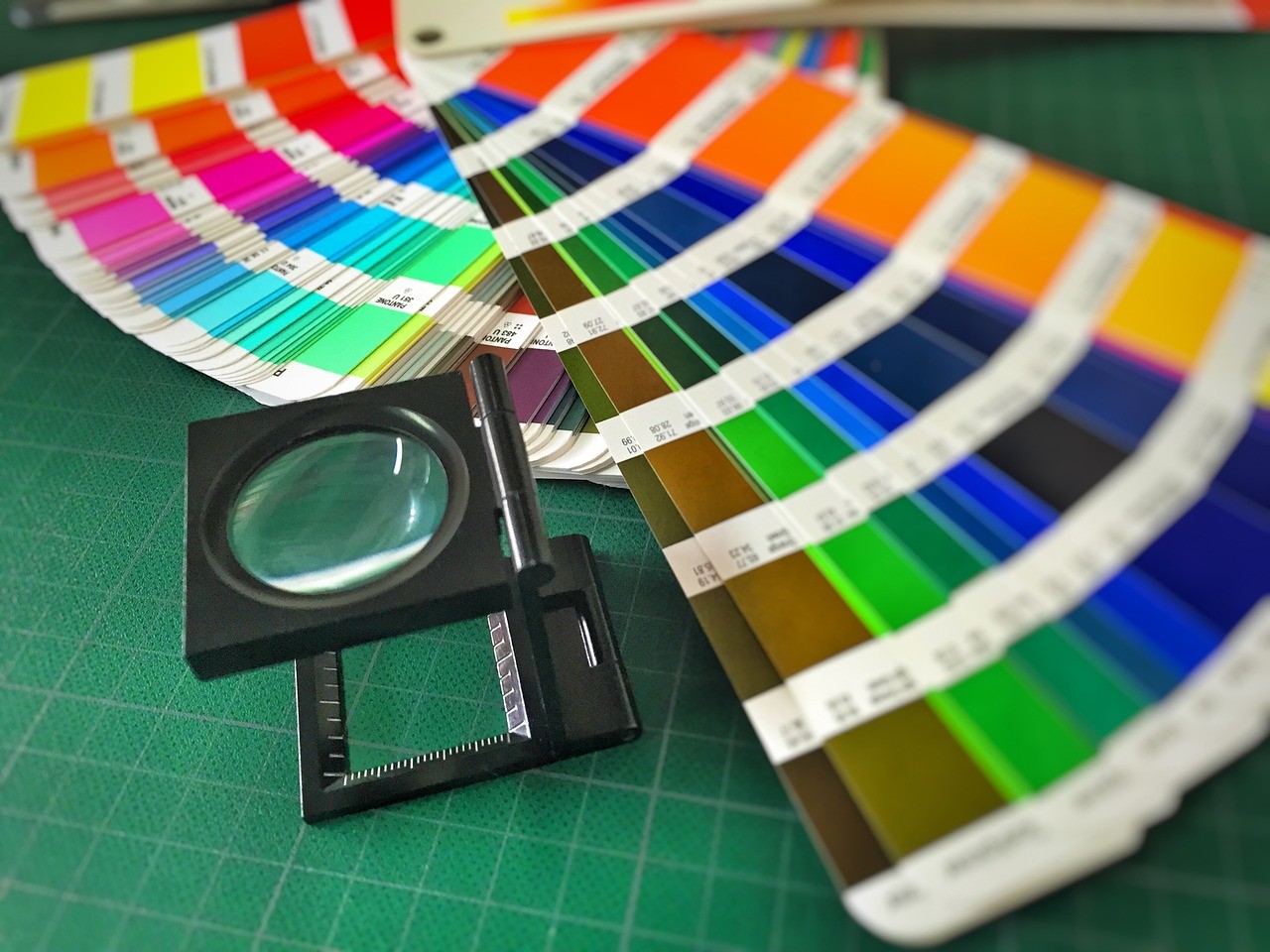
Colour palette with exact values (HEX, CMYK, Pantone if going to print)
Typography system (one or two fonts, with clear hierarchy)
Photography/imagery direction
Iconography style if applicable
Without this documented, your brand will fragment within six months as different people make different decisions.
Related: Why Your D2C Brand Needs a Design System (Not Just a Logo)
3. Use Packaging as Your Highest-ROI Marketing Channel
For any D2C brand selling physical products, packaging is not a cost centre — it's a marketing channel. Possibly your highest-ROI one.
Here's the math: every unit you ship is a piece of marketing that your customer physically holds, photographs, and (if it's good) shares. The cost of premium packaging is fixed at production. The marketing value compounds with every order.
Indian founders consistently underinvest here. They'll spend ₹2 lakh on Meta ads and ₹8,000 on packaging design. Then they wonder why their CAC keeps climbing while their organic word-of-mouth stays flat.
The brands getting packaging right in India right now — The Whole Truth, Sleepy Owl, Arata — have all made packaging a brand statement, not just a container. The unboxing experience is designed deliberately. The copy on the box is written with personality. The structural design is distinctive enough to be recognisable on a shelf.
That's not accidental. It's a strategic decision to treat packaging as primary brand communication.
Related: Packaging as a Marketing Channel: The Unboxing Psychology You're Probably Ignoring
4. Localise Without Losing Coherence
India is not one market. The brand that resonates in Tier 1 English-speaking urban audiences often falls flat in Tier 2 and Tier 3 markets — not because the product is wrong but because the brand communication doesn't connect.
The most effective Indian startups don't build one brand and translate it. They build one brand identity and adapt its communication layer — language, imagery references, cultural touchpoints — for different markets, without changing what the brand fundamentally is.
This is harder than it sounds. It requires genuine insight into regional consumer behaviour, not just translating English copy into Hindi. The visual cues that feel aspirational in Mumbai might feel alienating in Lucknow. The colour associations that read as premium in Delhi might read differently in Kolkata.
Brands that invest in this understanding early build a sustainable competitive advantage that is almost impossible to replicate quickly.
5. Anchor Your Brand to a Specific Enemy
One of the most underused branding strategies in Indian D2C is the "enemy brand" approach — not targeting a competitor, but identifying a belief system, a consumer frustration, or a category norm that your brand explicitly rejects.
The Whole Truth's enemy is "hidden ingredients and misleading nutrition labels." Their packaging lists everything. No compromises. No asterisks. That clarity is their brand position.
mCaffeine's implicit enemy is the idea that personal care is for women — they built a brand for men that doesn't look clinical or masculine-in-the-stereotypical-way.
When you name what you're against, you instantly tell customers what you stand for. And customers who share that frustration don't just buy from you — they advocate for you.
What does your brand refuse to do? What category norm do you reject? That's the start of a much stronger positioning.
6. Build Consistency Before You Build Volume
The most common branding mistake at the growth stage: scaling distribution before establishing brand consistency.
Founders rush to get onto Blinkit, Amazon, Nykaa, and their own D2C site simultaneously — with slightly different packaging on each channel, inconsistent photography, different copy on the product detail pages, and a social media feed that looks nothing like the website.
Customers notice this. They might not articulate it, but brand inconsistency reads as a trust signal — and not a good one. A premium supplement brand with inconsistent visual execution across channels looks like a white-label product with a sticker on it.
The fix is to lock in your brand standards first, then scale. Document your visual identity. Create templates for every channel. Write brand voice guidelines. Then expand distribution.
This might feel like it slows you down. It actually accelerates growth by ensuring every new channel you enter immediately benefits from the brand equity you've built elsewhere.
Related: Consistent Branding: A Framework for Trust and Recognition
7. Price Anchoring Through Visual Identity
Your pricing is a brand signal. And your visual identity either supports that signal or undermines it.
A supplement brand priced at ₹1,800 per unit cannot afford to have packaging that looks like it belongs at ₹500. The product might be genuinely superior, but the customer's first decision — whether to pick it up, whether to click on it — is made before they read a single claim.
This is one of the most consistent patterns in D2C: brands that invest in premium visual identity are able to command higher price points — not because customers are being fooled, but because the packaging is correctly signalling the value of what's inside.
Conversely, a brand that has a strong product but generic, template-designed packaging consistently has to compete on price — because that's the only lever they have.
The visual identity investment is leverage. Every rupee you spend positioning your brand at a higher price point multiplies across every unit you sell.
Related: The Hidden Difference Between a Brand That Looks Good and One That Sells
8. Use Founder-Led Content as a Brand Asset
The Indian D2C brands that have built the strongest organic following over the last three years have almost all had one thing in common: a visible, communicative founder.
Ghazal Alagh at Mamaearth. Shantanu Deshpande at Bombay Shaving Company. Vineeta Singh at Sugar Cosmetics. The founder's personal brand amplifies the company brand — their credibility, their story, and their point of view become a differentiation layer that competitors can't copy.
This doesn't require a massive following. It requires consistency and authenticity. A founder who posts three times a week about the real challenges of building a D2C brand in India, documents decisions transparently, and engages with their community is building brand equity that no ad spend can replicate.
If you're a founder and you're not creating content — you're leaving one of your most powerful brand assets unused.
9. Treat Every Customer Touchpoint as a Brand Moment
Branding doesn't end when the customer buys. The post-purchase experience is where D2C brands either build loyalty or lose it.
The delivery packaging. The insert card in the box. The SMS confirmation message. The return process. The customer service tone. All of these are brand moments — and most Indian startups treat them as operational logistics rather than brand communication.
The brands that retain customers do this differently. They write the insert card with the same personality as the product copy. They make the unboxing feel considered rather than functional. They respond to customer complaints in the brand's tone of voice, not in generic support template language.
This costs almost nothing additional — it's the same touchpoints you're already creating, just done with intentionality. The return on that intentionality is measurably better retention, more word-of-mouth, and a customer lifetime value that makes your unit economics work.
10. Measure Brand, Not Just Performance
The final strategy is mindset as much as tactic: treat brand health as a metric, not an abstraction.
Most Indian D2C founders track ROAS, CAC, LTV, and conversion rates obsessively. Very few track brand awareness, brand recall, or net promoter score with the same rigour. The result is that they're optimising performance channels without understanding whether their brand is actually growing or just their ad spend.
The brands that sustain growth — that can reduce ad spend without their revenue collapsing — have invested in building genuine brand pull. Customers come back without being retargeted. New customers arrive through word-of-mouth. The brand has enough recognition that organic search and direct traffic are meaningful.
Track this. Run quarterly brand surveys with your customer base. Monitor branded search volume in GSC. Watch direct traffic trends. These metrics tell you whether your brand is building equity or just buying attention.
FAQ: Branding for Indian Startups
When should an Indian startup invest in professional branding? Before you scale distribution — not after. The ideal time is after you have product-market fit but before you're investing heavily in paid acquisition. A brand built correctly before scaling pays compounding returns. A brand built after scaling has to fight against established (inconsistent) perceptions.
How much should a D2C startup spend on branding in India? A professional brand identity for a D2C startup in India typically starts around ₹40,000–₹80,000 for the core identity system. Packaging design is separate. The question isn't how much it costs — it's what price point you're trying to command and whether your current brand visual identity supports that.
Can a small Indian startup compete with larger brands on branding? Yes — and brand is one of the few areas where smaller brands can actually outcompete larger ones. Large brands move slowly. They have brand guidelines so rigid that innovation is difficult. A small brand with a strong, distinctive identity and a clear point of view can win attention in a category dominated by generic-looking incumbents.
What's the most common branding mistake Indian startups make? Starting with a logo instead of a positioning strategy. The logo is an output of the brand strategy, not the strategy itself. Founders who start with "I need a logo" often end up with something that looks fine but doesn't actually communicate what makes their brand different.
How do I know if my brand needs a refresh? Three signals: your visual identity no longer reflects where your business has gone, your brand looks similar to competitors who've launched after you, or customers consistently have misconceptions about your positioning. Any one of these is sufficient reason to reassess.
Conclusion: Brand Is the Moat
In Indian D2C, product differentiation is increasingly hard to sustain. Formulations get copied. Prices get undercut. Distribution advantages erode as more channels open up.
What's genuinely hard to copy is a brand. A clear positioning, a distinctive visual identity, a consistent customer experience, and a community of customers who feel something about what you've built — these compound over time in a way that performance marketing alone never does.
The ten strategies above aren't a checklist to complete once. They're a way of thinking about your brand as an ongoing strategic asset — one that deserves the same rigour and attention you give your product and your growth numbers.
If you're building a D2C brand in India and want to work through what any of this looks like for your specific category and stage, book a discovery call with Miracle Studio. This is exactly what we do.
Miracle Studio is a brand identity and packaging design agency based in Faridabad, India. We work with D2C founders who are serious about building brands that compound. See our work or get in touch.