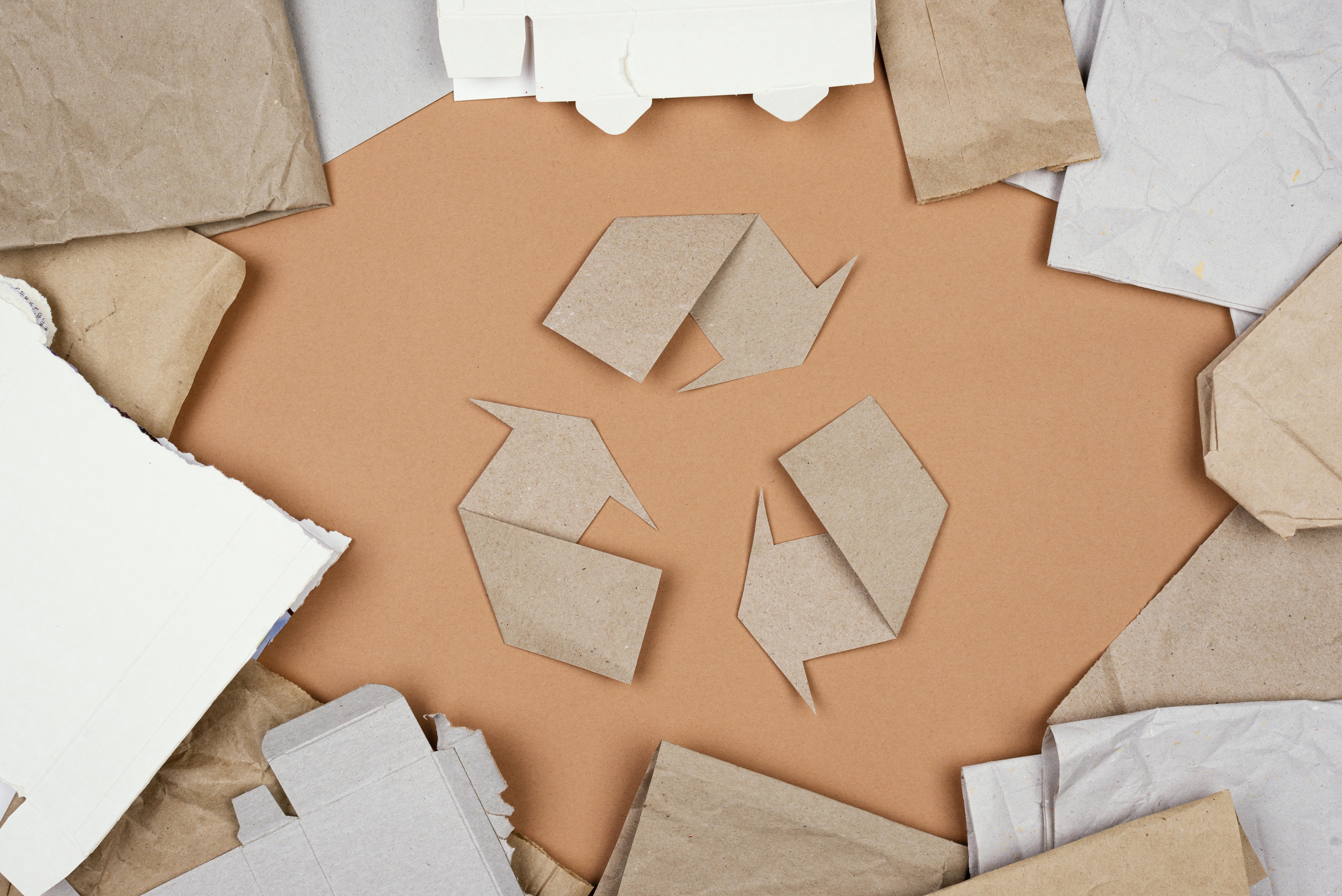
Sustainable packaging is becoming non-negotiable for Indian D2C brands targeting premium urban consumers. But most brands approach eco-packaging wrong - leading to higher costs, compromised brand aesthetics, and marketing claims that invite skepticism.
The Eco-Packaging Paradox
The paradox: genuinely sustainable packaging often looks less premium than conventional packaging. Kraft paper feels honest but not luxury. Recycled PET lacks the clarity of virgin plastic. Compostable films don't have the same tactile quality as conventional laminates. For premium D2C brands, this creates a genuine tension between sustainability and the visual signals that justify premium pricing.
How to Resolve the Paradox
1. Lead with function, not aesthetics
The most credible sustainable packaging decisions are structural: eliminating excess packaging, choosing materials with genuine end-of-life solutions, redesigning pack formats to reduce material use. These decisions are verifiable and don't require aesthetic compromise.
2. Make the sustainability story specific
"Eco-friendly packaging" is a claim any brand can make and few customers believe. "Our outer box is made from 100% recycled cardboard from certified Indian mills, and our inner wrap is home-compostable in 180 days" is specific, verifiable, and credible. Specificity is the difference between greenwashing and genuine positioning.
3. Design around the constraint
The best sustainable packaging design doesn't try to make eco-materials look like conventional packaging. It finds the aesthetic expression that's native to the material. Kraft paper can look genuinely premium with the right typography and foiling. Recycled glass can look artisan with the right label design. The constraint becomes the design brief.
Indian Market Considerations
Consumer willingness to pay a premium for sustainable packaging is concentrated in Tier 1 urban markets among 25-40 year olds. For pan-India distribution, sustainable packaging needs to be cost-competitive, not premium-priced. Design accordingly.
Quick-commerce logistics in India are also brutal on lightweight sustainable packaging. A compostable pouch that fails in a delivery bag is worse than conventional packaging that arrives intact. Test sustainability solutions against actual logistics conditions before committing to production volumes.
At Miracle Studio, we help brands design packaging that is both genuinely sustainable and visually compelling for their specific market and price positioning. Sustainable packaging that doesn't support the brand's premium positioning is just expensive eco-tokenism. Let's build something that works on both dimensions.